
Patios That Do Not Shift or Sink
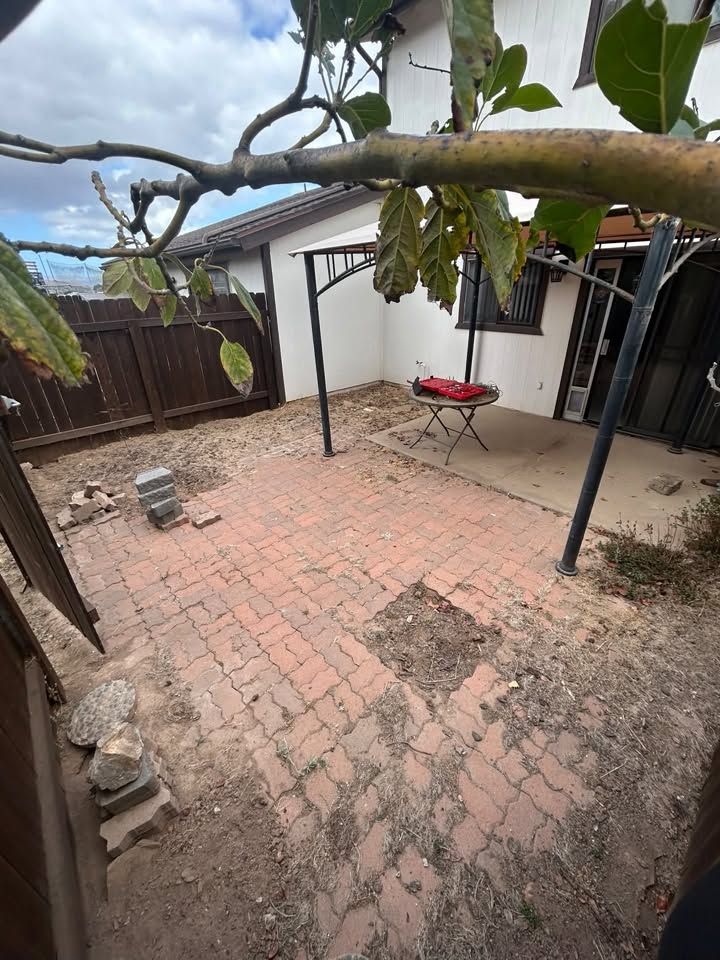
Paver installation in Santa Maria for older homes with patios and walkways that have heaved or settled
Most paver failures in older single-family homes trace back to a base that was never properly built, allowing the surface to shift, sink, or heave as soil compacts unevenly beneath the pavers. EDGE Enterprise installs paver patios, walkways, and driveways across Santa Maria by digging out six to eight inches, grading the area, and building a compacted decomposed granite base before sand and pavers go down. Both partners do the digging and setting themselves, ensuring the base is built correctly before any pavers are laid.
The area is marked and dug out six to eight inches, cleared of loose soil and debris, and graded to drain. A DG base is installed and compacted in lifts, then sand is laid and the pavers are set and swept into the joints. The depth of the dig and the number of compaction passes determine whether the surface stays level under foot traffic and furniture or begins to settle within a year.
Schedule an on-site evaluation to confirm base depth and paver layout for your property.
What Separates a Stable Base from a Shortcut
Paver installation requires excavating six to eight inches, grading the exposed soil to drain, and compacting a DG base in lifts before sand and pavers are placed. The base must be compacted in layers rather than dumped and tamped once, because thick lifts do not compact evenly and leave voids that allow the surface to settle. Both partners handle the digging, compacting, and setting, backed by roughly five years of landscaping experience for one and three and a half to four years in landscaping and junk removal for the other.
After installation, the paver surface is level and firm, joints are tight and filled with sand, and the edges are restrained so pavers do not shift outward under traffic. You will notice the surface does not rock or move when you walk across it, and furniture legs do not sink into soft spots. The pavers stay level because the base was compacted properly and graded to drain, not because the surface was simply laid on top of existing soil.
The installation includes excavation, base prep, compaction, and paver setting; it does not include removing existing concrete, building retaining walls, or installing drainage systems unless you request those separately. The quote depends on square footage, paver type, and site access, because tight side yards and gated backyards require more time to move material and equipment.
Questions Before Starting Your Project
Paver installation creates durable surfaces for patios, walkways, and driveways, but the longevity and appearance depend on base prep and proper compaction.
How deep does the base need to be for a paver patio in Orcutt and Lompoc?
The base is typically excavated six to eight inches deep, allowing room for a compacted DG layer and a sand bed, so the finished surface sits at the correct height relative to adjacent hardscape and drainage.
What happens if the base is not compacted in lifts?
Thick layers of base material do not compact evenly, leaving voids that allow the surface to settle unevenly as traffic and weather compress the loose material, causing pavers to sink or tilt over time.
How are paver edges restrained to prevent shifting?
Edges are secured with soldier courses, buried edge restraint, or concrete curbing, depending on the installation, so pavers cannot creep outward under traffic or during freeze-thaw cycles.
What should you check after the pavers are set?
Walk the entire surface to confirm it feels firm and does not rock, check that joints are tight and filled with sand, and verify that the surface drains visibly away from structures without pooling water.
Why do older patios and walkways heave or settle in single-family homes?
Those failures usually trace back to a base that was skipped entirely or not compacted, allowing the pavers to shift as soil compacts unevenly or expands under moisture.
EDGE Enterprise also installs pavers in Orcutt, Guadalupe, Lompoc, Arroyo Grande, and Pismo Beach. Both partners do the digging and setting themselves, ensuring the base is built to support the surface before any pavers are placed. Arrange a property visit to confirm excavation depth, discuss paver options, and review site access for material delivery.